

A 3D printer for chocolate and food is a specialized machine designed to create edible shapes, patterns, and designs using food ingredients instead of plastic or resin. These printers are becoming more common in bakeries, restaurants, culinary schools, and even home kitchens where presentation and customization matter.
Chocolate is one of the most popular materials used in food printing because it melts and solidifies in a controlled way, making it ideal for detailed designs.
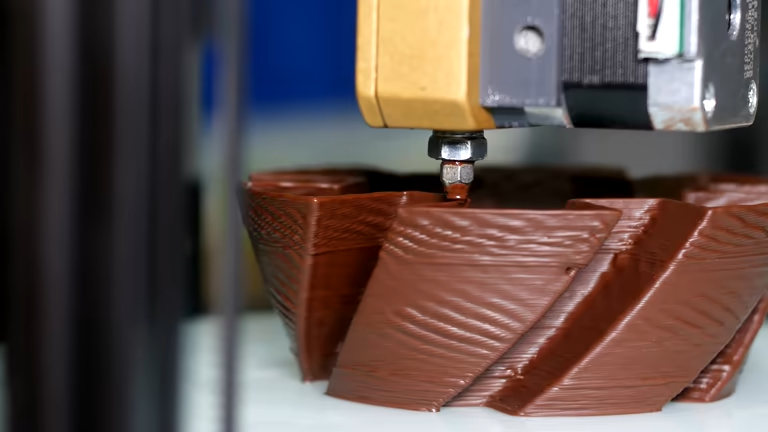
How a Food 3D Printer Works
Food 3D printers work by layering edible ingredients in precise patterns based on a digital design file.
The process usually involves:
- Loading food material into a cartridge or syringe
- Heating or controlling the ingredient temperature
- Extruding thin layers through a nozzle
- Building shapes layer by layer
The final result can be decorative, artistic, or fully edible.
Common Foods Used in 3D Printing 3D Printer for Chocolate and Food
Different food printers support different ingredients.
Popular options include:
- Chocolate
- Frosting
- Dough
- Cheese
- Purees
- Mashed potatoes
- Sugar mixtures
- Pasta mixtures
Chocolate printers are especially popular because they can create highly detailed dessert decorations.
Why Chocolate Works Well for 3D Printing
Chocolate has properties that make it suitable for controlled printing.
Benefits include:
- Smooth texture when melted
- Quick hardening after cooling
- Ability to create detailed patterns
- Attractive finish for desserts and decorations
Temperature control is critical because chocolate can clog or lose shape if overheated.
Uses for Food 3D Printers
Food printing technology is used in several industries.
Bakeries and Dessert Shops
Businesses use food printers to create:
- Custom cake decorations
- Chocolate logos
- Personalized desserts
- Complex candy designs
Restaurants
Some restaurants use food printers for presentation and creative plating.

Culinary Education
Cooking schools may use 3D food printers to teach modern food design techniques.
Home Use
Some hobbyists and small business owners use compact food printers for custom treats and event desserts. 3D Printer for Chocolate and Food 3D Printer for Chocolate and Food 3D Printer for Chocolate and Food 3D Printer for Chocolate and Food
Advantages of Food 3D Printing
Food printers offer several practical and creative benefits.
Customization
Designs can be personalized for events, branding, or customer requests.
Consistency
Machines can produce repeated shapes and decorations with consistent detail.
Creativity
Food printing allows designs that may be difficult to create by hand.
Reduced Waste
Precise ingredient control may reduce excess material use.
Challenges and Limitations
Food 3D printers are useful, but they are not perfect for every kitchen or business.
Common limitations include:
- Slow printing speeds
- Cleaning and maintenance requirements
- Ingredient consistency issues
- Higher equipment costs
- Learning curve for design software
For high volume commercial production, traditional methods are sometimes faster.
How Much Does a Food 3D Printer Cost?
Prices vary widely depending on features and intended use.

Typical ranges include:
- Entry level home units: $300 to $1,000
- Professional chocolate printers: $2,000 to $10,000+
- Industrial systems: Much higher depending on automation and scale
Commercial grade machines often include advanced temperature control and larger production capacity.
What to Look for Before Buying
Before choosing a food 3D printer, consider:
- Ingredient compatibility
- Ease of cleaning
- Temperature control system
- Software support
- Print resolution
- Cartridge capacity
For chocolate printing, stable temperature management is one of the most important features.
Is a Food 3D Printer Worth It?
For businesses focused on presentation, branding, or custom desserts, food printing can offer real value. Unique edible designs can help products stand out and attract attention on social media and in retail displays.
For casual home users, the value depends on how often the printer will actually be used. Some people enjoy the creative process, while others may find traditional decorating methods more practical.
Final Thoughts
A 3D printer for chocolate and food combines technology with culinary creativity. From custom chocolate decorations to personalized desserts, these machines allow businesses and hobbyists to create designs that would be difficult to produce by hand.
As food printing technology continues to improve, it is becoming more accessible for bakeries, restaurants, and home kitchens looking to experiment with modern food presentation.