

White gravy—also known as country gravy or cream gravy—is a timeless comfort food that has been enjoyed for generations. Smooth, creamy, How to Make Homemade White Gravy, and rich in flavor, homemade white gravy is incredibly easy to make with just a few basic pantry ingredients. Whether you’re serving it over warm biscuits, mashed potatoes, fried chicken, or breakfast sausage, white gravy instantly elevates any meal.
In this complete guide, you’ll learn how to make homemade white gravy from scratch, including tips for perfect texture, common mistakes to avoid, variations, storage tips, and serving ideas. This recipe is beginner-friendly, budget-friendly, How to Make Homemade White Gravy, and far better than any store-bought gravy mix.
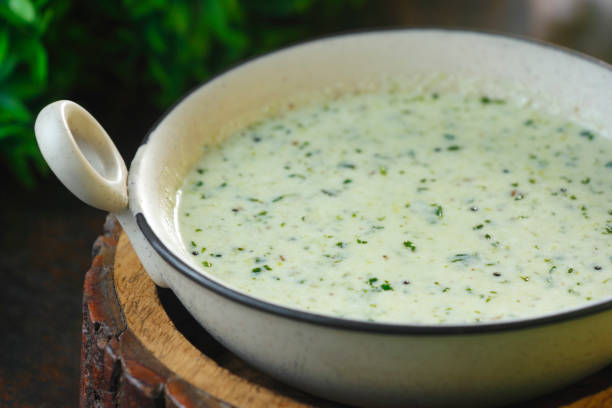
What Is White Gravy?
White gravy is a milk-based sauce thickened with a roux made from fat and flour. Unlike brown gravy, which uses meat drippings and broth, white gravy relies on milk for its creamy color and mild flavor. It’s most commonly seasoned with salt and black pepper, though many variations include sausage, garlic, or herbs.
White gravy is especially popular in Southern American cuisine, where it’s famously served with biscuits, chicken-fried steak, and breakfast dishes.
Why Make White Gravy at Home?
Making white gravy at home has many advantages:
- Uses simple, affordable ingredients
- Takes less than 10 minutes
- How to Make Homemade White Gravy
- No preservatives or artificial flavors
- Easily customizable (vegetarian, gluten-free, spicy, etc.)
- Creamier and fresher than packaged mixes
Once you learn the basics, you’ll never need store-bought gravy again.
Ingredients for Homemade White Gravy
You only need five basic ingredients to make classic white gravy:
Basic Ingredients
- 2 tablespoons butter (or oil, bacon fat, or sausage drippings)
- 2 tablespoons all-purpose flour, How to Make Homemade White Gravy
- 2 cups whole milk (or 2% for lighter gravy)
- ½ teaspoon salt (adjust to taste)
- ½ teaspoon black pepper (freshly ground preferred)
Optional Add-Ins
- Cooked sausage crumbles
- Garlic powder or onion powder
- A pinch of cayenne pepper
- How to Make Homemade White Gravy
- Fresh herbs (thyme or parsley)
Step-by-Step: How to Make Homemade White Gravy
Step 1: Melt the Fat
Place a saucepan or skillet over medium heat. Add butter (or your chosen fat) and allow it to melt completely without browning.
Tip: Keep the heat moderate—burnt butter can ruin the flavor.
Step 2: Make the Roux
Once the butter is melted, add the flour. Whisk continuously for 1–2 minutes. This mixture is called a roux, How to Make Homemade White Gravy. and it’s the foundation of your gravy.
- The roux should look smooth and slightly bubbly
- Do not let it turn brown
Cooking the flour briefly removes the raw flour taste.
Step 3: Slowly Add Milk
Gradually pour in the milk while whisking constantly. Adding the milk slowly prevents lumps and ensures a smooth gravy.
At first, the mixture may look thin—this is normal.
Step 4: Simmer and Thicken
Continue cooking over medium heat, stirring constantly. Within 3–5 minutes, the gravy will begin to thicken.
If it becomes too thick, add a little more milk. If too thin, cook it slightly longer.
Step 5: Season to Taste
Add salt and black pepper. Taste and adjust seasoning as needed.
Remove from heat once the gravy reaches your desired consistency.
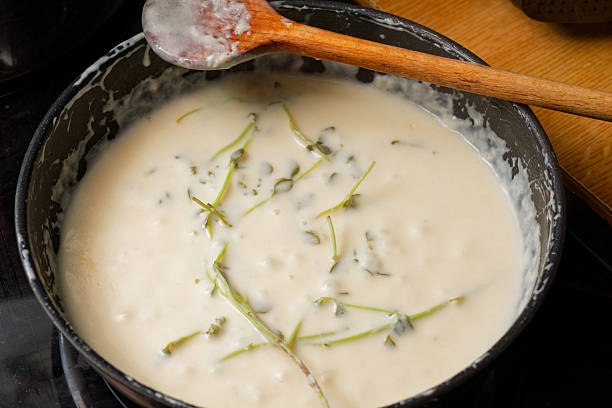
Perfect White Gravy Consistency Tips
- For thicker gravy: Use slightly less milk or cook longer
- For thinner gravy: Add warm milk, one tablespoon at a time
- Always whisk continuously to prevent lumps
- Use whole milk for the creamiest texture
Common Mistakes to Avoid
1. Adding Milk Too Fast
Pouring milk all at once can cause lumps. Always add it gradually while whisking.
2. Cooking on High Heat
High heat can scorch the milk and create a grainy texture. Medium heat is best.
3. Not Cooking the Roux
Skipping the roux cooking step can result in a raw flour taste.
4. Over-Salting Early
Salt intensifies as gravy cooks. Start with less and adjust at the end.
Popular White Gravy Variations
Sausage White Gravy
Cook breakfast sausage first, remove excess grease, then use the drippings to make the roux. Add sausage back at the end.
Perfect for: Biscuits and gravy
Vegetarian White Gravy
Use butter or vegetable oil instead of meat drippings and plant-based milk if desired.
Best milk substitutes:
- Unsweetened almond milk
- Oat milk
- Soy milk
Gluten-Free White Gravy
Replace all-purpose flour with:
- Gluten-free all-purpose flour blend
- Rice flour
- Cornstarch (use half the amount)
Spicy White Gravy
Add:
- Cayenne pepper
- Red chili flakes
- Hot sauce
Great with fried chicken and potatoes.
What to Serve with White Gravy
White gravy is incredibly versatile. Here are popular serving ideas:
- Fluffy biscuits
- Mashed potatoes
- Chicken-fried steak
- Fried chicken
- Breakfast potatoes
- Scrambled eggs
- Toast or country bread
It’s also delicious drizzled over vegetables like green beans or cauliflower.
How to Store and Reheat White Gravy
Storage
- Store in an airtight container
- Refrigerate for up to 3 days
Reheating
- Reheat on the stove over low heat
- Add a splash of milk while stirring to restore creaminess
- Avoid microwaving on high heat—it can separate the gravy
Is White Gravy Healthy?
White gravy is rich and comforting but should be enjoyed in moderation. To make it lighter:
- Use 2% or low-fat milk
- Reduce butter slightly
- Serve smaller portions
You can also add vegetables or lean protein to balance the meal.
Frequently Asked Questions (FAQs)
Why Is My White Gravy Lumpy?
Lumps form when flour isn’t whisked properly or milk is added too quickly. Whisk continuously and add milk slowly.
Can I Make White Gravy Without Butter?
Yes. You can use oil, margarine, or meat drippings.
Can I Freeze White Gravy?
Freezing is not recommended, as milk-based gravies can separate when thawed.
How Do I Fix Too Thick Gravy?
Simply add warm milk a little at a time while stirring.
Final Thoughts
Learning how to make homemade white gravy is a simple skill that delivers big rewards. With just a few ingredients and minutes of cooking, you can create a smooth, creamy gravy that tastes far better than anything from a packet. Whether you prefer it classic, spicy, or loaded with sausage, white gravy is the ultimate comfort food that never goes out of style.
Once you try this homemade version, it’s sure to become a regular part of your kitchen routine.